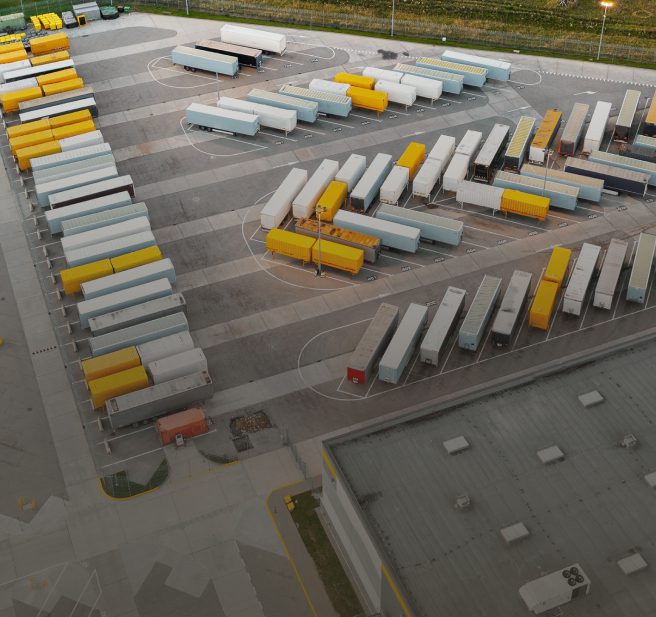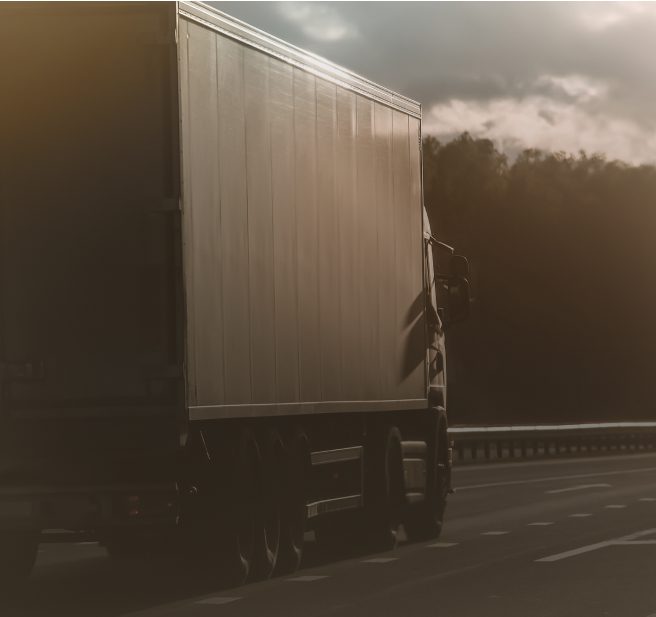
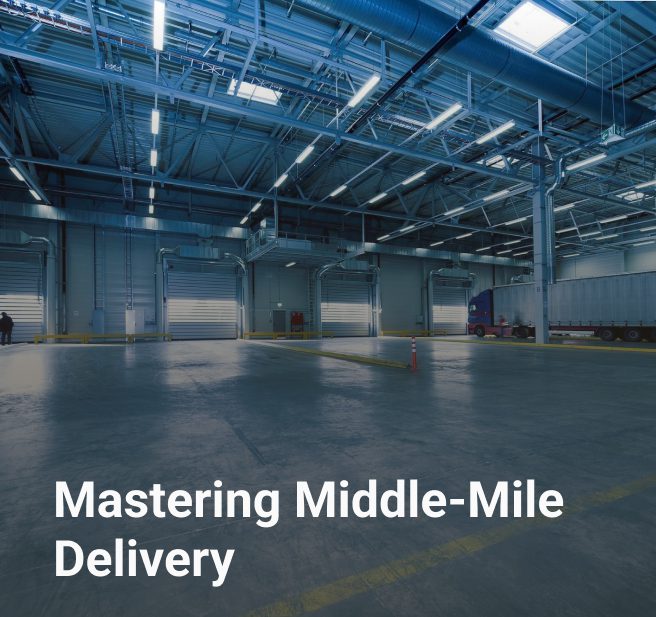
Middle-mile delivery includes movements of goods between warehouses or from warehouses or fulfillment facilities to stores. While this leg of the logistics journey isn’t as complex as the last mile, it still requires efficient business processes and tools to mitigate inventory issues and adapt to eCommerce demand, which have grown over the past few years.
More businesses are using technology to streamline their delivery operations and improve productivity. Here’s a look at some solutions to help companies master the middle mile.
Warehouse Management
Outdated and manual warehouse management can negatively impact delivery service. For example, while a warehouse worker looks for specific items, a truck might sit waiting to be loaded or unloaded, slowing down the delivery process. As a result, companies are turning to automation to manage warehouses more effectively. The visibility and data gained through digital warehouse management systems helps companies optimize middle-mile delivery.
Analyzing warehouse data can help shippers understand how much and what types of inventories are needed for each of their facilities, enabling them to position inventory closer to consumers and allowing consumers to view inventory availability in real time. The added benefit of delivering appropriate inventory closer to consumer demand is that it enhances the customer experience with faster deliveries.
Delivery Management
Investing in delivery management technology is essential to driving continuous growth and a competitive advantage in today’s crowded delivery landscape. Delivery management solutions provide various features to manage middle mile deliveries more efficiently, boost delivery speed, and ensure businesses run a seamless delivery operation.
Delivery management systems provide the scalability needed to manage a growing business and the agility to adjust to unexpected disruptions. Real-time route optimization creates the most efficient routes to travel ensuring timely delivery service. Delivery scheduling options can enable shippers to split delivery routes and schedule middle-mile and last-mile deliveries seamlessly from a single platform. Managers can oversee the entire delivery operation in a central dashboard, improving visibility of routes and resources.
Autonomous Delivery
Autonomous vehicles provide a fast, safe, and reliable mode of delivery for businesses contending with driver shortages and increased customer demand. They can help businesses build a resilient and flexible logistics network, creating a more scalable and sustainable delivery operation. Many companies are turning to autonomous delivery solutions to expand their logistics network and increase delivery speed along the middle mile.
Walmart recently became the first company to use autonomous delivery trucks with no safety driver in the middle mile of its supply chain. The retailer is using autonomous box trucks from Gatik to move online grocery orders from a fulfillment-only dark store to a nearby Walmart Neighborhood Market store. Sam’s Club has partnered with Gatik, Georgia-Pacific, and KBX, to move Georgia-Pacific shipments on predefined short-haul routes. Under the partnership, Gatik’s autonomous trucks will deliver goods 24/7 across a network of 34 Sam’s Club locations.
Middle-mile delivery may not get as much attention as last-mile delivery, but it is no less important. If middle mile deliveries are mismanaged, the consequences will trickle down to the last mile and the end consumer. Adopting digital innovations and Improving visibility in the warehouse and middle mile provides the connectivity that keeps last-mile delivery on track.
For more information about how our delivery management solution can help you manage your delivery operations more efficiently, please contact us.